
Table of Contents
- Importance of Regular Maintenance
- Key Maintenance Tasks
- Common Costly Repairs and Prevention
- Benefits of Professional Inspections
- Creating a Maintenance Schedule
- Conclusion
Maintaining your vehicle with regular check-ups is one of the most effective ways to avoid hefty repair bills and keep your car running smoothly. By following manufacturer recommendations and catching small issues early, drivers greatly reduce the risk of major breakdowns that lead to expensive fixes. Investing in timely maintenance is not just about saving money, it’s also about ensuring the safety and continued reliability of your vehicle. If you’re in the Fort Worth area, having a reliable shop for essential repairs like car AC repair Fort Worth,TX can make scheduled maintenance even easier and more accessible.
Neglecting maintenance tasks often leads to compounding issues within a vehicle’s systems, turning what could have been a quick and affordable fix into a significant expense. Simple services such as oil changes and tire rotations offer peace of mind, helping detect developing concerns before they escalate. These precautions keep vital components working efficiently and prevent much more costly emergencies on the road. Staying proactive about maintenance also improves the car’s resale value and longevity, offering tangible returns for relatively little effort or expense. Making car care a habit helps car owners avoid stress and last-minute repairs.
Importance of Regular Maintenance
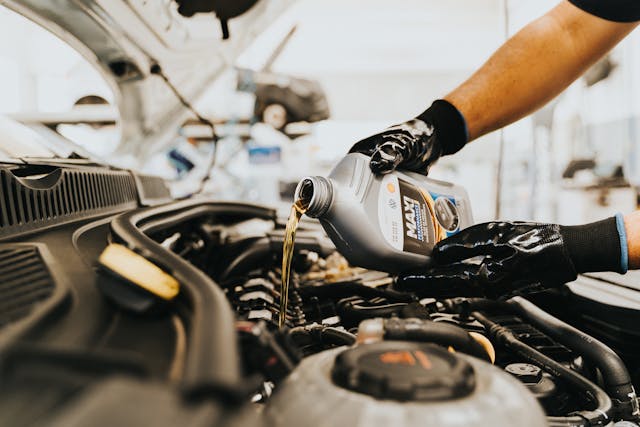
Regular car maintenance serves as a safeguard against unexpected breakdowns and high-dollar repairs by consistently monitoring the vehicle’s key systems. When fluid levels are checked, belts and hoses are inspected, and essential parts are replaced as they wear, reducing the risk of major failures. For instance, routine oil changes keep engine parts lubricated and running efficiently, helping avoid sludge build-up and engine overheating. According to Consumer Reports’ car maintenance checklist, basic maintenance steps like changing the oil, rotating tires, and checking fluids can significantly extend a car’s lifespan and reliability.
By spotting issues such as low fluid levels or worn brake pads early, drivers can fix minor problems before they spiral into major, more costly repairs. The cumulative effect of consistent upkeep is remarkable: cars last longer, stay safer, and perform at their best. This proactive approach helps car owners avoid the inconvenience and dangers of sudden breakdowns, while also keeping maintenance expenses predictable over time.
Key Maintenance Tasks
An effective maintenance routine centers around several essential tasks. Adhering to a recommended schedule ensures that the vehicle continues to operate safely and efficiently. Key maintenance actions include:
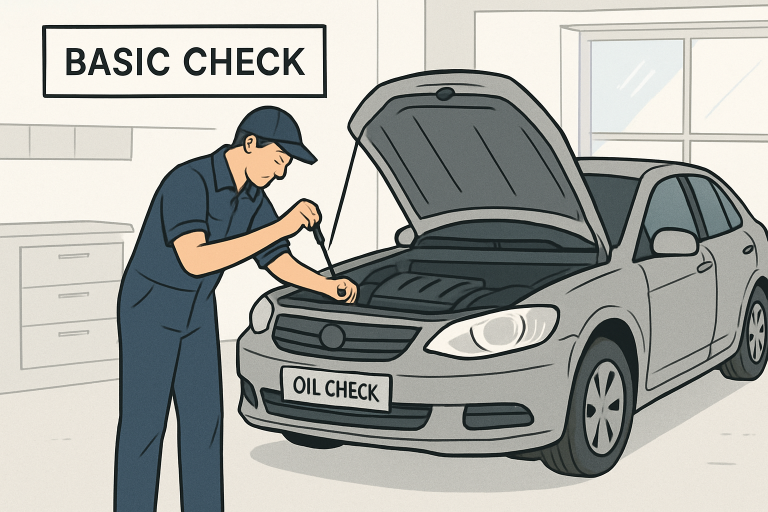
- Oil and Filter Changes: Replace oil and oil filters every 5,000 to 7,500 miles; clean oil lubricates engine parts and helps prevent premature wear.
- Tire Maintenance: Keep tires properly inflated and check tread depth to maximize fuel efficiency and minimize the risk of blowouts. Rotate tires according to the vehicle’s schedule to ensure even wear.
- Brake Inspections: Check brake pads and replace them if necessary before they wear too thin. Examine rotors for scoring or warping, which can impact braking performance.
- Fluid Checks: Regularly inspect coolant, brake fluid, and transmission fluid. Topping off or replacing these fluids as needed prevents major component failures due to overheating or insufficient lubrication.
Common Costly Repairs and Prevention
Without regular maintenance, vehicle owners risk expensive damage that could have been easily avoided. Three of the most common and costly repairs, each of which can be prevented with routine care include:
- Engine Overhaul: Failing to replace engine oil can cause excessive friction, ultimately leading to engine failure, which may cost $4,000 to $8,000 in repairs.
- Brake System Replacement: Skipping brake inspections and replacements can wear down the brake system, necessitating a full replacement that may total $800 to $1,200.
- Transmission Repair: Many transmission failures are linked to neglecting fluid changes. A full repair often costs between $1,000 and $3,000, far more than routine preventive service.
Practicing regular maintenance, such as changing oil on time, checking fluids, and inspecting brake components, not only prevents breakdowns but also shields vehicle owners from these avoidable, high-dollar repairs. NerdWallet’s car maintenance guide outlines how following scheduled services can reduce lifetime vehicle costs and risks.
Benefits of Professional Inspections
While many basic tasks can be performed by car owners, periodic professional inspections are invaluable. Experienced mechanics have the training and equipment required to identify emerging problems that even diligent owners might miss. During a professional inspection, mechanics check not just for imminent issues, but also for signs of developing trouble, such as worn timing belts, minor fluid leaks, deteriorating hoses, and alignment issues.
Professional assessments help car owners stay ahead of component failures, protect their investment, and drive with confidence. Regularly scheduled checks can also provide documentation of upkeep, which may be crucial for maintaining warranty coverage and increasing vehicle value when it’s time to sell or trade in.
Creating a Maintenance Schedule
Crafting a custom maintenance schedule based on your vehicle’s unique needs is essential for efficient car care. Start with the guidelines in your owner’s manual, which take into account the type of vehicle, its engine, and the most common driving conditions. Adapt your schedule based on factors such as long commutes, frequent stop-and-go driving, or extreme temperatures, as these can accelerate wear and require more frequent attention. Online tools and mobile apps also make it easy to set service reminders and track completed maintenance.
By updating your maintenance schedule after each visit, you can stay on top of all necessary services and catch minor problems before they grow. This proactive habit protects against costly surprises and preserves your car’s performance and dependability for years to come.
Conclusion
Regular car maintenance is more than just a routine task; it’s a strategic investment in your vehicle’s longevity, reliability, and safety. By keeping up with essential services and seeking out professional checkups, drivers can dramatically reduce the likelihood of unexpected, expensive repairs. Proactively following a tailored maintenance schedule not only saves money but also ensures your vehicle remains a dependable part of your daily life for many years to come.